Roofing conversations always circle back to materials. Not colors first, not brands, but what the shingle itself is made of. Composite shingles and architectural shingles sit close enough in price that homeowners pause. The confusion usually starts there. They look similar from the curb, both claim strength, both promise long life, and yet they behave very differently once nailed down.
This comparison matters more now than it did ten years ago. Material science moved fast, labor costs climbed faster, and weather patterns feel less predictable. Picking wrong does not ruin a house, but it can quietly annoy you for decades.
What architectural shingles actually are
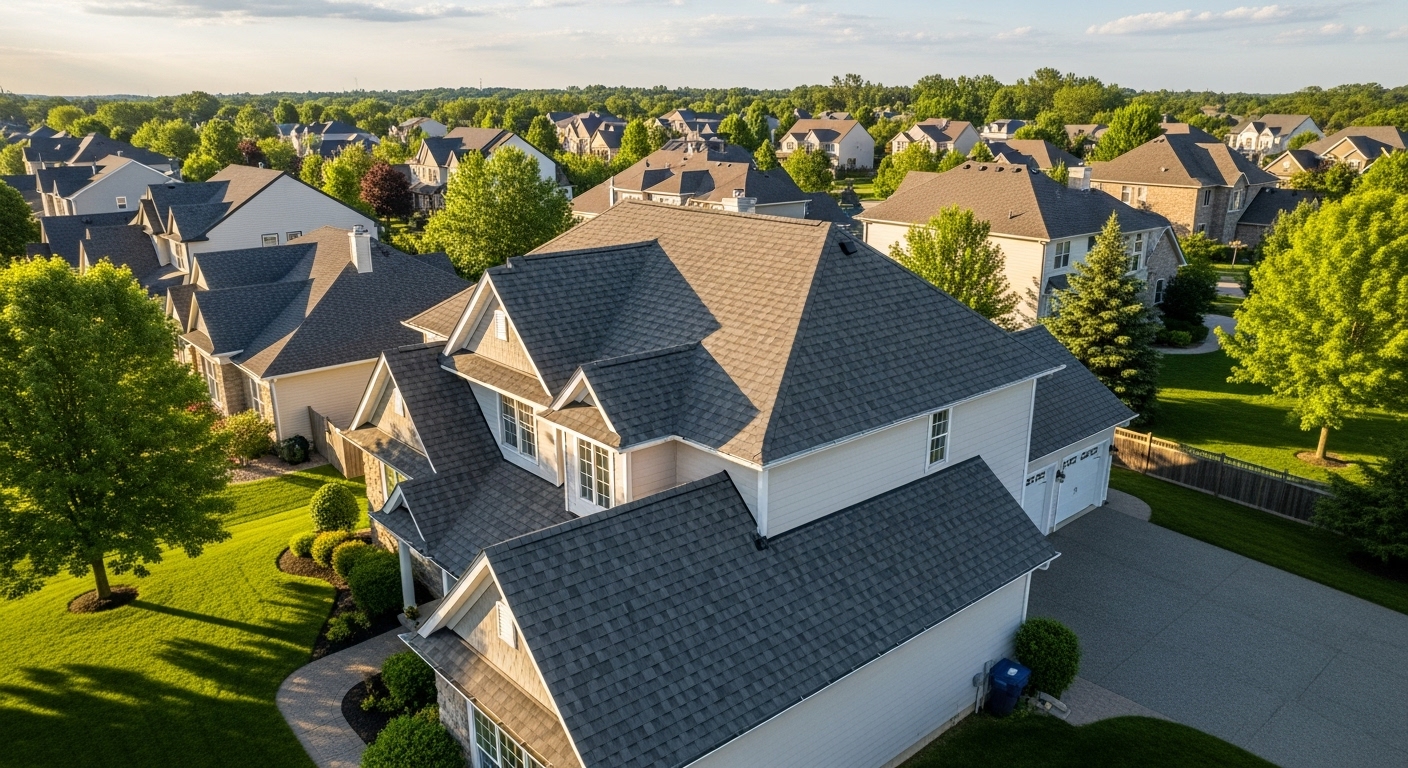
Architectural shingles are still asphalt at heart. They are built from a fiberglass mat saturated with asphalt, then layered to create depth and shape. The layered design is what gives them that thicker shadow line look, often called dimensional or laminated.
In the 1980s, enhancements to the dimensional shingle resulted in a new generation of high-quality asphalt roofing products with distinctive, often dramatic, appearances. With these advancements came a new name: architectural roofing shingles. Also known as laminated or dimensional shingles, architectural roofing shingles are among the highest quality roofing products made. Traditionally, they are composed of a heavy fiberglass mat base and ceramic-coated mineral granules that are tightly embedded in carefully refined, water-resistant asphalt.
https://www.certainteed.com/inspiration/projects/what-are-architectural-roofing-shingles
They replaced old three tab shingles as the default option in many markets. According to industry shipment data, architectural shingles now account for over 70 percent of residential asphalt roofing installations in the US. That shift happened because homeowners wanted better wind ratings and less flat looking roofs.
Architectural shingles typically weigh more than basic asphalt shingles, usually between 200 and 300 pounds per square. That weight helps them resist wind uplift better, but it also means the roof structure must already be sound.
What composite roof shingles are made from
Composite shingles are not asphalt based in the traditional sense. They are manufactured using blends of recycled plastics, rubber, polymers, and sometimes fiberglass. The goal is to mimic natural materials like slate or cedar while avoiding their weaknesses.
Because they are molded rather than layered, composite shingles often have more uniform thickness and shape control. Many composite products are lighter than architectural asphalt, often landing between 250 and 400 pounds per square depending on design. Some are lighter, some heavier, the range is wide.
Composite roofing remains a smaller slice of the market, but growth has been steady as material durability testing improves and insurance acceptance increases.
Durability differences that show up over time
Architectural shingles perform well, but they are still asphalt. Heat cycles cause gradual drying. UV exposure slowly breaks down the surface granules. In moderate climates, architectural shingles commonly last 20 to 30 years. In hotter regions, lifespan trends closer to the lower end of that range.
Composite shingles are engineered to resist UV breakdown more aggressively. Many undergo accelerated weather testing that simulates decades of sun and freeze cycles. It is common to see composite shingles rated for 40 to 50 years of service life, though real world performance is still being observed as more installations age.
The difference shows most clearly after year fifteen. Architectural shingles often begin showing granule loss. Composite shingles usually look close to original color at that same point.
Wind and impact resistance comparison
Architectural shingles usually carry wind ratings between 110 and 130 mph when installed correctly. Impact ratings often land at Class 3 or Class 4 depending on product line. Class 4 matters in hail prone regions because it can affect insurance premiums.
Composite shingles frequently achieve Class 4 impact ratings as a baseline. Their flexibility allows them to absorb hail strikes rather than crack. Wind ratings can exceed 130 mph on some systems due to interlocking or reinforced fastening zones.
This does not mean architectural shingles fail in storms. It means composite shingles tolerate abuse longer before cosmetic damage appears.
Cost differences, where the decision often gets stuck
Architectural shingles remain cheaper upfront. Installed costs for architectural shingles on a standard home typically fall between $350 and $550 per square depending on labor rates and complexity. That pricing includes materials, underlayment, and labor.
Composite shingles usually cost more. Installed pricing often ranges from $700 to $1100 per square. The material itself is more expensive and installation may require trained crews familiar with fastening patterns and spacing rules.
Over a full roof, that gap adds up quickly. A 25 square roof could see a $8000 to $12000 difference between the two options.
Installation complexity and contractor availability
Most roofing contractors install architectural shingles daily. Crews move fast, details are familiar, and mistakes are less likely due to repetition. That experience lowers labor risk.
Composite shingles require more attention. Expansion gaps, fastening zones, and temperature considerations matter more. Not all contractors are comfortable installing them, which can limit options in some regions.
A perfect material installed poorly still fails. That reality favors architectural shingles in areas with limited composite expertise.
Appearance and curb appeal over decades
Architectural shingles look good from the street, especially when new. Their layered design creates shadow lines that improve depth compared to flat asphalt. Over time, color fading becomes noticeable, especially on south facing slopes.
Composite shingles excel visually as they age. Because pigments are integrated into the material, fading happens slowly. Mold and algae resistance is often stronger as well.
If long term appearance ranks high, composite has a clear advantage.
Maintenance expectations are not equal
Architectural shingles require periodic inspections. Granule loss, exposed nails, and seal strip failures show up with age. Maintenance is not constant, but it exists.
Composite shingles demand less routine attention. They do not crack easily and resist moisture absorption. That reduces common failure points like curling or blistering.
Less maintenance does not mean zero maintenance, but it changes the rhythm of ownership.
Environmental considerations, a quieter factor
Architectural shingles rely heavily on asphalt, a petroleum product. Recycling options exist, but participation varies widely by region.
Composite shingles often use recycled materials and are recyclable themselves. That appeals to homeowners thinking beyond immediate cost, though environmental benefit depends on local recycling infrastructure.
Final editorial perspective, choosing without regret
Architectural shingles win on affordability, contractor availability, and proven performance history. Composite shingles win on longevity, impact resistance, and long term appearance. Neither choice is wrong. The mistake comes from assuming they serve the same purpose.
If budget control matters most and you expect to sell within twenty years, architectural shingles make practical sense. If staying long term, facing severe weather, or prioritizing durability, composite shingles justify their higher cost.
Roofing decisions age with the house. Choosing based on how long you plan to live under that roof often leads to the least second guessing later on.