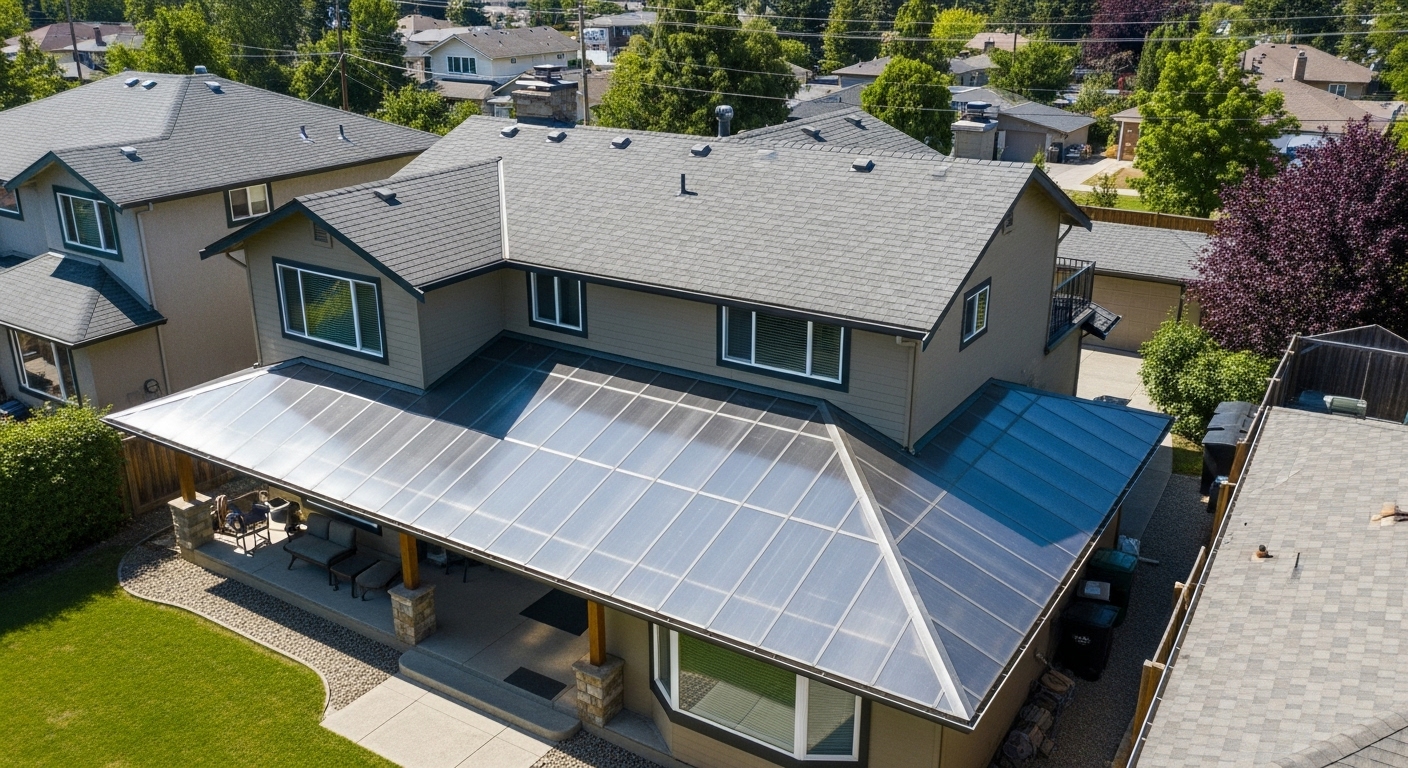
Green algae on a polycarbonate roof never shows up loudly. It creeps in slowly. One corner first, then a faint green haze, then suddenly the whole roof looks tired and older than it is. Polycarbonate is strong, yes, but it is also sensitive in ways people ignore until damage is already done.
Cleaning it is not about brute force. It is about restraint, timing, and knowing what not to use. That part matters more than the cleaning itself.
Why green algae loves polycarbonate so much
Polycarbonate sheets hold heat well and let light pass through. That combination creates a cozy environment for algae, especially in humid regions or areas with frequent rain. If trees hang nearby, spores settle easily. Dust sticks. Moisture stays longer than expected.
Algae does not eat the roof, but it stains it. Over time, light transmission drops. The roof still stands, but it stops doing its main job properly. That is usually when people finally notice.
Before touching anything, what not to do
This part saves money. Do not grab bleach straight away. Do not use abrasive pads. Do not climb up with a pressure washer set to full power thinking faster is better. Polycarbonate scratches easily. Micro scratches turn into dirt magnets later.
Avoid solvents like acetone or harsh degreasers. They weaken the surface and cause clouding that never goes away. Once that happens, no cleaning trick fixes it.
The safest basic cleaning method that actually works
Start simple. Warm water and a mild dish soap is usually enough for early algae growth. Mix the soap gently. No need for thick foam. Use a soft sponge or microfiber cloth. Work in small sections, not the entire roof at once.
Rinse often. Algae residue spreads if left sitting. Cleaning on a cool, overcast day helps since soap dries too fast under direct sun and leaves marks.
When soap is not enough anymore
Older algae stains need a slightly stronger approach, but still gentle. White vinegar diluted with water works well. A common mix is one part vinegar to three parts water. Spray it lightly. Let it sit for ten minutes, not longer.
Vinegar breaks down algae without attacking the plastic. Scrub softly. Rinse thoroughly. The smell fades quickly, the stains usually do not come back for a while.
Using commercial cleaners, choose carefully
Some roof cleaners are labeled safe for polycarbonate, many are not. Always read the fine print. Look for pH neutral products designed for plastic roofing or greenhouse panels. If the label mentions removing oxidation from metal, walk away.
Test any cleaner on a small hidden corner first. Polycarbonate reacts slowly sometimes. Damage does not always show immediately.
Pressure washing, risky but sometimes acceptable
Low pressure only. Wide spray nozzle. Keep distance. Pressure washers can be used, but only if the algae is thick and widespread. Never spray upward into seams. Water intrusion causes long term issues that cleaning will not fix.
If the roof flexes while spraying, stop. That is a sign you are pushing too hard.
Preventing algae from coming back so fast
Cleaning once is easy. Keeping it clean takes habits. Trim nearby branches to reduce shade and debris. Rinse the roof lightly every few months during dry spells. Algae hates dryness more than chemicals.
Some homeowners apply a plastic safe protective coating after cleaning. It reduces surface grip so algae struggles to return. Not mandatory, but helpful in damp climates.
How often should a polycarbonate roof be cleaned
Most polycarbonate roofs benefit from a gentle clean once a year. In humid or coastal regions, twice a year is common. Waiting until the roof turns fully green makes cleaning harder and increases the chance of surface wear.
Regular light cleaning beats aggressive deep cleaning every time.
Final thoughts
Polycarbonate roofs age quietly. They do not rust. They do not crack easily. They just lose clarity little by little. Green algae speeds that up, mostly because people panic and clean it the wrong way.
Slow hands, soft tools, mild solutions. That combination keeps the roof clear without shortening its life. It is less satisfying than blasting it clean, but far more forgiving in the long run.