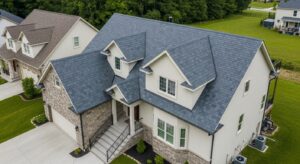
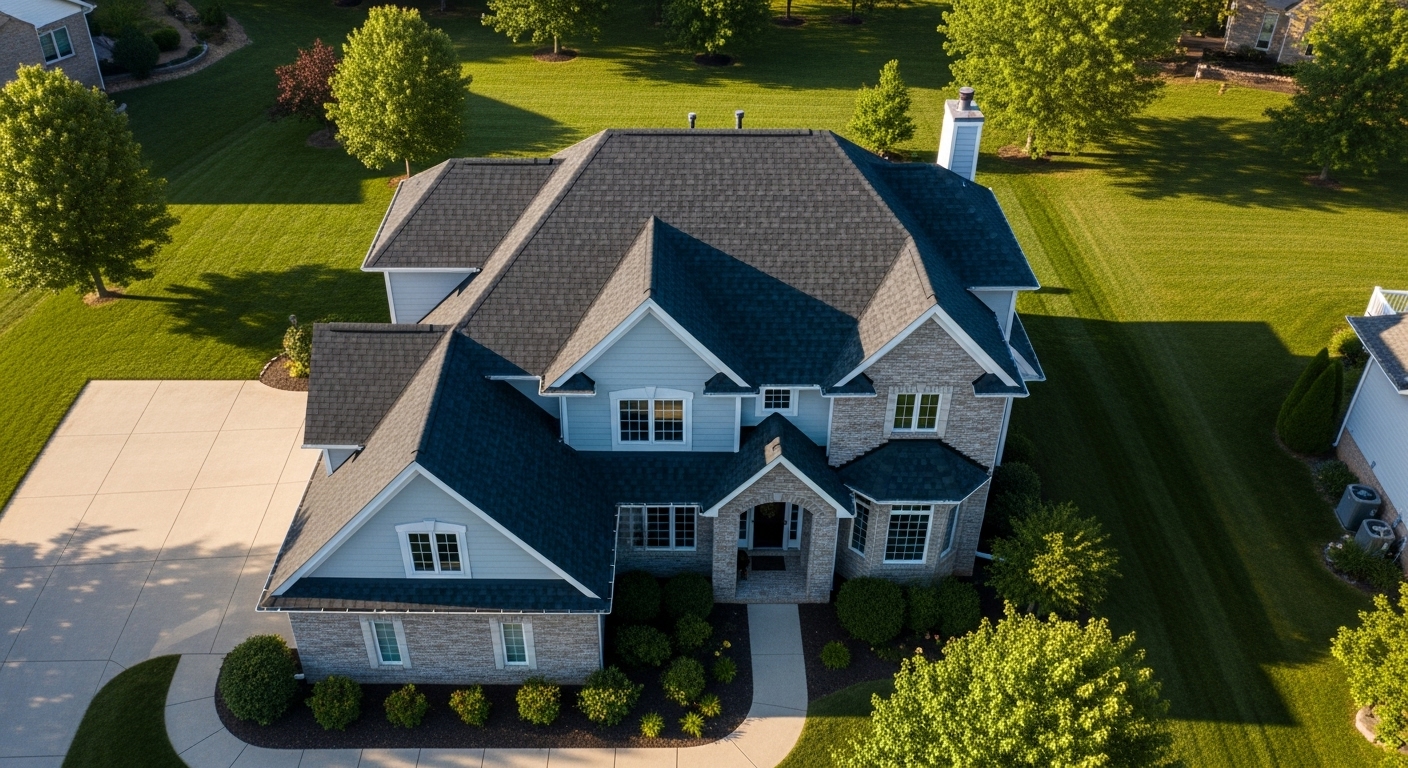
Artificial slate roofing sits in that awkward middle space. Not cheap enough to feel carefree. Not traditional enough to silence purists. People ask about it with a raised eyebrow, usually after seeing a neighbor’s roof that looks suspiciously perfect. The short answer is yes, they can be good. The longer answer takes a bit of patience, and a willingness to accept tradeoffs.
From an editor’s seat, the kind where trends repeat every decade with a new name, artificial slate is neither a miracle nor a gimmick. It is a response to real problems that natural slate brings along.
What artificial slate actually is, minus the brochure tone
Before the 1980s, most artificial roofing slate was made from asbestos-cement, a material that had a long track record of successful performance. When the use of asbestos became forbidden, manufacturers rushed to replace asbestos-containing products with cement-based products reinforced with non-asbestos materials.
https://vermontslateco.com/artificial-slate-and-shake-products-history/
Artificial slate is made from engineered materials, commonly recycled rubber, polymers, or composite blends. Some products mix limestone dust with resins to mimic the density of stone. Others lean more flexible, more forgiving. The goal is visual accuracy with fewer structural demands.
Most artificial slate tiles are molded from real slate pieces. That detail matters. It is why the surface texture often looks convincing from the street, not just in a sample box.
How it compares to natural slate, in practical terms
Natural slate roofs can last over 100 years. That fact gets repeated so often it feels mythical, but it is true. Artificial slate does not promise that kind of lifespan. Most manufacturers rate their products between 40 and 80 years. That is still a long time, even if it lacks the romance of centuries.
Weight is the first real difference. Natural slate can weigh 800 to 1000 pounds per square. Artificial slate usually weighs between 250 and 400 pounds per square. That alone makes it usable on many homes that could never support real slate without structural reinforcement.
Installation is also different. Real slate breaks easily during install. Artificial slate is more forgiving. Crews move faster. Waste rates are lower. Fewer broken tiles get tossed mid job.
Cost differences that actually influence decisions
Natural slate roofing often costs between $1500 and $3000 per square installed, depending on stone type and region. Artificial slate typically comes in between $700 and $1200 per square installed. That still places it above asphalt, but far below genuine stone.
For a mid sized home, that gap can mean tens of thousands saved. That number alone explains most of the interest.
Durability under real weather, not marketing stress tests
Artificial slate performs well in hail zones compared to natural slate. Rubber based composites tend to absorb impact instead of fracturing. Many products carry high impact resistance ratings, something natural slate struggles with.
Freeze thaw cycles are another factor. Real slate can delaminate over time in harsh climates. Artificial slate does not split along natural grain lines, because it has none. That consistency helps in northern regions where temperature swings are aggressive.
Fire resistance varies by product. Some composites achieve Class A fire ratings. Others rely on underlying assemblies to meet code. This is not universal, and homeowners should verify specifics rather than assume.
Appearance, the part people argue about quietly
From ground level, high quality artificial slate looks convincing. On a ladder, or under a trained eye, differences appear. Edges are often more uniform. Thickness can look slightly too perfect. Color aging behaves differently over decades.
That said, many homeowners are not chasing museum accuracy. They want something that looks refined, not something that requires explaining at dinner parties.
Maintenance expectations over time
Artificial slate requires less maintenance than natural slate. Tiles are less brittle. Walking on the roof for inspections or repairs is safer. Moss and algae growth depends more on climate than material, but composite slates tend to resist moisture absorption better.
Individual tiles can be replaced if damaged, though matching color years later may be tricky. That problem also exists with natural slate, just in a different way.
Environmental angle, often overlooked
Some artificial slate products use recycled materials, including rubber and plastics. That appeals to homeowners trying to reduce landfill impact. Natural slate, while natural, involves quarrying, transport, and heavy energy use.
Neither option is perfect environmentally. Artificial slate simply shifts the impact differently.
Common complaints, because no product escapes them
Some homeowners report fading over time, especially with early generation products. Newer formulations have improved UV resistance, but long term data is still catching up. Others dislike the hollow sound rain can make compared to stone. Small thing, but people notice.
There is also skepticism. Artificial anything tends to invite it. Roofing is conservative by nature. New materials earn trust slowly.
So, are artificial slates any good?
Yes, when expectations are set correctly. Artificial slate is not a replacement for historic restoration where authenticity matters. It is not immortal. But it offers a balanced mix of appearance, weight reduction, impact resistance, and cost control that solves real problems for real houses.
From an editorial standpoint, artificial slate represents a mature compromise. Not flashy. Not perfect. Just practical, and increasingly reliable. For many homeowners, that is exactly good enough.