
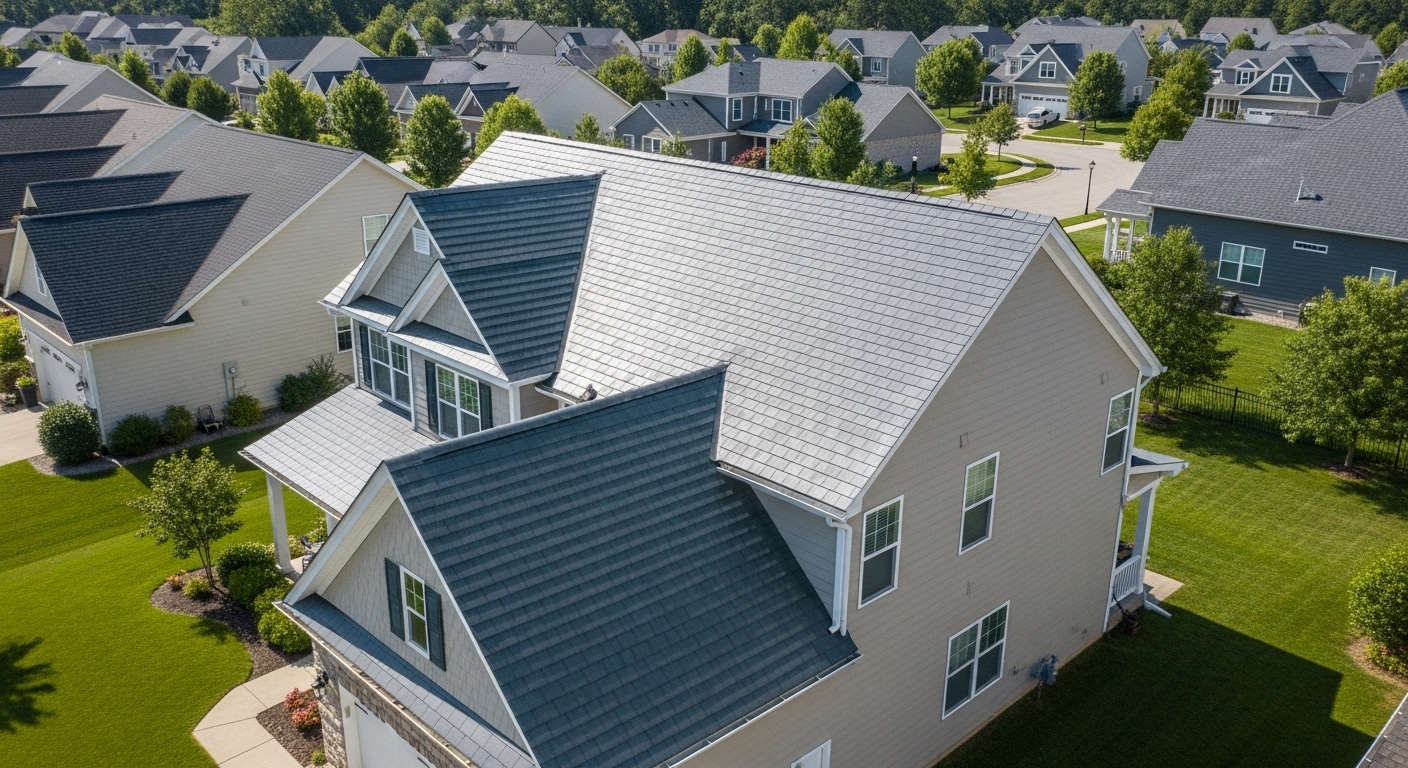
Plastic shingles sound strange the first time you hear it. Roofing made from plastic does not exactly inspire old world confidence. People picture lawn chairs, brittle toys, stuff that fades or cracks. That reaction is fair. Roofing is supposed to feel heavy, permanent, slightly intimidating even. Plastic feels light. Almost suspicious.
But roofing materials have shifted quietly over the years. Asphalt itself is not exactly natural. Fiberglass backs it. Polymers creep into sealants. So the idea of plastic shingles deserves a serious look, not a knee jerk shrug.
What plastic shingles are made from, roughly speaking
Most plastic shingles are not pure plastic. They are typically polymer composites, often recycled plastics blended with rubber or engineered fillers. The goal is to mimic slate, cedar shakes, or even asphalt shingles while avoiding some of their weaknesses.
Composite roofing is made from synthetic materials — often recycled plastic and rubber — that replicate the look of traditional roofing styles like slate, cedar shake, or clay tile. Among the most popular types are plastic roof shingles, also known as synthetic roof tiles or composite shingles.
https://modernize.com/roof/composite-plastic
Manufacturers usually mold these shingles rather than cutting them. That allows consistent shapes, textured surfaces, and interlocking designs. Some products weigh far less than slate or concrete tiles, which changes installation dynamics quite a bit.
Durability claims, strong on paper, mixed in practice
Plastic shingles often come with long warranties. Forty years. Fifty years. Sometimes lifetime language appears, with conditions of course. The material itself resists rot, insects, and moisture absorption very well. Plastic does not absorb water like wood, and it does not crack the same way brittle mineral products can.
That said, long term field data is still limited compared to asphalt. Asphalt shingles have been failing visibly for decades. We know how they age. Plastic shingles have only been widely installed for a shorter window, mostly the last 20 years. Early versions did have issues with UV degradation and color fading. Newer formulations claim improvement. Some of that is real. Some of it is still being tested by sun and time.
When you think of plastic roofing, you might think of cheap, flimsy, environmentally-hazardous materials that the world needs to phase out. After all, there are so many problems associated with plastics- high temperatures, pollution, fossil fuel consumption, and many more. However, these are problems that apply more to consumer-grade plastics. Industrial materials used to make a plastic roof, for example, are made from entirely different polymers than you’d find in a plastic water bottle. It’s a different world of plastic, entirely.
https://www.bravarooftile.com/blog/not-your-average-plastic-roof-tiles/
Performance in heat, cold, and storms
Plastic shingles perform well in freeze thaw cycles. Because they flex slightly, they tend to resist cracking from temperature swings. In cold climates, that flexibility can be an advantage. In hot climates, heat resistance matters more. Some plastic shingles soften under extreme heat, which can cause subtle warping if ventilation is poor.
Wind ratings are often strong, with many products rated above 110 mph when installed properly. Impact resistance is another selling point. Many plastic shingles achieve high impact ratings against hail simulations. That matters in storm prone regions where insurance claims drive roofing choices.
Weight differences matter more than people think
Plastic shingles are light. Much lighter than slate or clay. Often lighter than asphalt too. That makes them attractive for older homes that cannot support heavy roofing without structural upgrades.
Lighter weight also speeds installation. Crews move faster. Less strain. Fewer safety issues. That can lower labor costs slightly, though not always enough to offset higher material prices.
Cost comparison, where enthusiasm cools down
Plastic shingles are expensive upfront. Material costs can be two to three times higher than standard asphalt shingles. Installed costs for plastic shingles on an average sized home often land between $12000 and $20000, sometimes more depending on design and region.
Supporters argue that longevity balances this out. If a plastic roof truly lasts 40 to 50 years with minimal maintenance, the lifetime cost can compete with asphalt roofs that need replacement every 18 to 25 years. That math only works if the roof actually performs as promised.
Appearance, surprisingly convincing from the ground
Visually, plastic shingles have improved a lot. From street level, many look very close to slate or wood shakes. Color consistency is strong. Texture molds catch light in believable ways. Up close, some still look a bit manufactured. But so do many asphalt shingles when examined closely.
Homeowners concerned about resale often worry buyers will react poorly to plastic roofing. In reality, most buyers do not know what they are looking at unless told. They see color, shape, condition. Material composition rarely comes up during a showing.
Environmental angle, partly valid, partly marketing
Many plastic shingles use recycled materials. That is a real benefit. Diverting plastic waste from landfills matters. However, production still consumes energy, and recycling claims vary widely by manufacturer. End of life recycling is also not always straightforward.
Asphalt shingles remain one of the largest construction waste streams in North America. Plastic shingles could reduce replacement frequency, which indirectly reduces waste. That benefit depends heavily on real world lifespan, not brochure language.
Installation quality matters more than the material itself
Plastic shingles are unforgiving when installed poorly. They require specific fasteners, spacing, and temperature considerations. Crews unfamiliar with the product can make small errors that lead to big problems later. Expansion and contraction allowances matter more with polymers.
A great material installed badly still fails. A decent material installed correctly often performs better than expected. This truth does not change with plastic.
So are plastic shingles good or not?
Plastic shingles are good in the right context. They are not magic. They are not cheap. They do offer durability advantages, lighter weight, and strong impact resistance. They also carry higher upfront costs and shorter real world track records compared to asphalt.
For homeowners planning to stay long term, in climates with hail or freeze cycles, plastic shingles can make sense. For short term ownership or tight budgets, asphalt still wins by familiarity and cost.
Plastic shingles are neither gimmick nor universal solution. They sit somewhere in the middle. Promising, imperfect, and still proving themselves roof by roof, year by year.