Rubber roofing shingles sound like one of those ideas that feels modern and a little suspicious at the same time. Rubber on a roof. People pause when they hear it. Some nod like it makes perfect sense. Others wrinkle their face and imagine tires stapled to plywood. Neither reaction is fully right.
These shingles exist for a reason. They also come with trade offs people do not always hear about until later. So yes, they can be good. But good in specific ways, for specific houses, under specific expectations.
What rubber roofing shingles actually are
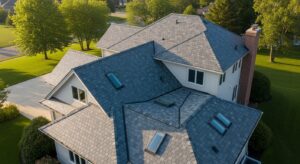
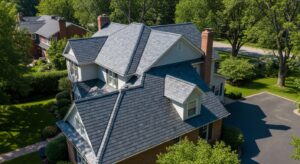
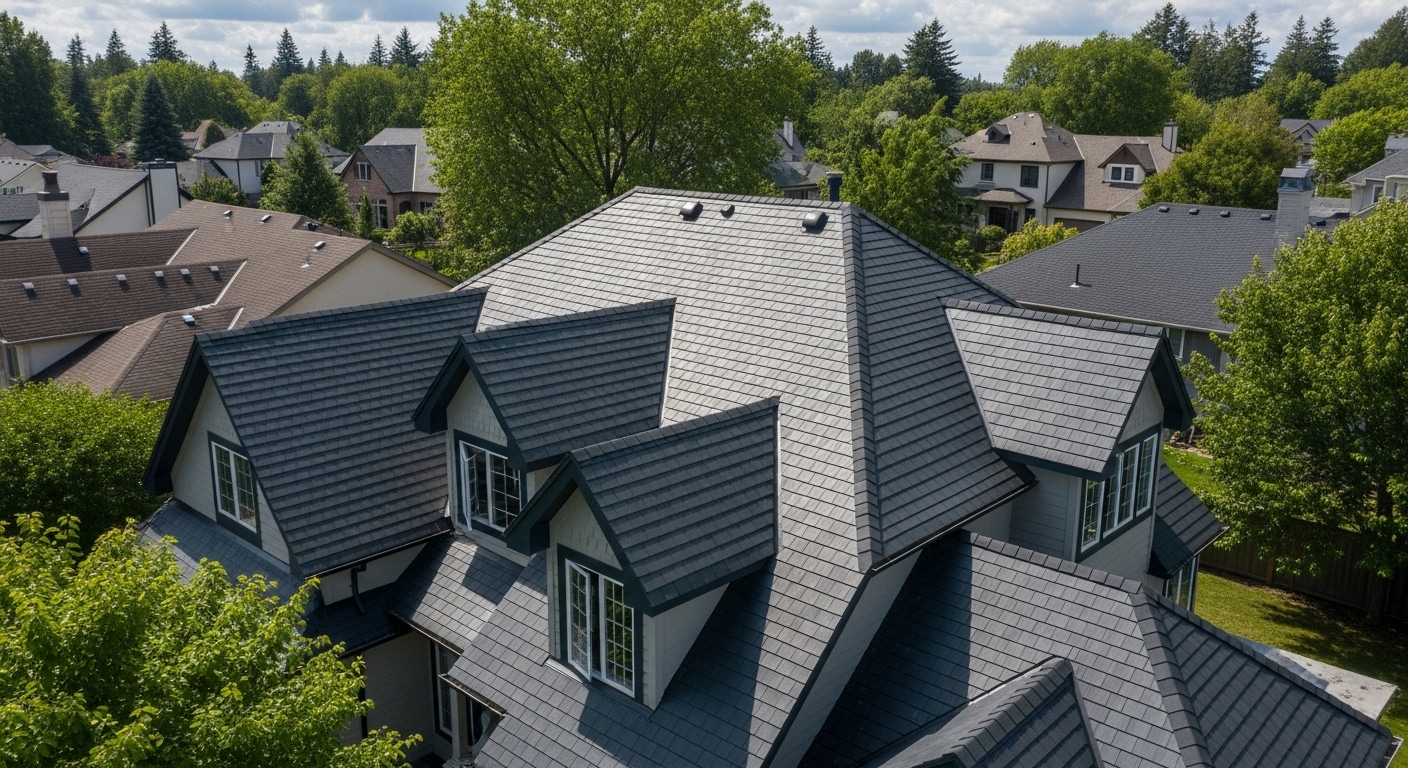
Rubber shingles are usually made from recycled tires or synthetic rubber blends. Most fall under the category of EPDM based or polymer modified materials. They are shaped to mimic slate, wood shake, or traditional asphalt shingles. From the ground, many roofs using rubber shingles look expensive, even traditional, unless you already know what you are staring at.
They are flexible, dense, and resistant to cracking. That flexibility is one of their biggest selling points, especially in regions with large temperature swings.
Durability claims and what the numbers suggest
Manufacturers often rate rubber shingles for 40 to 50 years. Some claim even longer. Independent testing and long term field data show they generally outperform standard asphalt shingles in lifespan. Asphalt roofs in many climates average around 20 to 30 years before serious wear shows up. Rubber shingles, when installed correctly, often push well beyond that.
Impact resistance is another measurable strength. Rubber shingles typically earn high impact ratings, sometimes Class 4, meaning they can handle hail strikes that would shatter asphalt. Insurance data after hail storms has shown lower replacement rates for rubber roofs compared to traditional shingles in the same neighborhoods.
Weather resistance is where rubber shines quietly
Rubber does not dry out the way asphalt does. It does not rely on granules glued to a mat that slowly sheds over time. In hot climates, rubber resists thermal cracking better. In cold climates, it stays flexible instead of becoming brittle.
Wind resistance is also strong when properly fastened. Many rubber shingle systems are rated for high wind speeds, sometimes exceeding what standard asphalt shingles handle without adhesive strip failure.
That said, installation quality matters more here than marketing brochures admit.
Installation is not beginner friendly
Rubber shingles are not difficult in theory, but they are unforgiving in practice. Improper fastening, wrong nail placement, or sloppy flashing details can lead to leaks that are hard to trace later. These systems often require trained installers who understand expansion, contraction, and seam behavior.
This limits contractor availability in some regions. Fewer installers often means higher labor costs and longer scheduling windows.
Cost is where opinions start to split
Rubber roofing shingles cost more upfront. Material prices alone are often two to three times higher than basic asphalt shingles. Installed costs can easily land between $900 and $1400 per square depending on roof complexity and region.
That number scares people. But the long service life changes the math slightly. Over 40 years, replacing one asphalt roof and repairing storm damage can cost more than installing rubber once. Still, not everyone plans to stay in the same house that long, which makes resale considerations important.
How they perform on looks over time
Rubber shingles age differently. They do not lose granules because they do not have them. Color fading happens slowly and evenly rather than in blotchy patches. Moss and algae growth tends to be lower than on asphalt, though not zero.
Some early rubber roofing products had issues with surface chalking or shine loss. Modern formulations have largely corrected that, but roofs installed twenty years ago sometimes show cosmetic wear that surprises owners who expected perfection.
Noise and comfort inside the house
One unexpected benefit is sound dampening. Rubber absorbs impact noise better than metal or even asphalt. During rain or hail, interior noise levels are often lower. Homeowners notice this immediately after installation, sometimes mentioning it before anything else.
Thermal performance is average. Rubber does not insulate on its own, but it does not trap heat excessively either. Attic ventilation still does the heavy lifting.
Environmental angle, not as simple as it sounds
Rubber shingles often contain recycled materials, which sounds great. Reusing tires keeps waste out of landfills. However, the manufacturing process is energy intensive. The environmental benefit exists, but it is not absolute.
Still, compared to asphalt shingles that are rarely recycled after removal, rubber roofing has a stronger reuse story overall.
Common complaints that do come up
Some homeowners report difficulty matching replacement shingles years later if repairs are needed. Color batches can vary. Others mention that walking on rubber roofs during very hot weather can feel odd, almost spongy, which worries people even though it is normal behavior.
Improper installs lead to more complaints than the material itself. That pattern shows up repeatedly in long term feedback data.
So are rubber roofing shingles actually good?
They are good when durability matters more than initial cost. They are good in hail prone regions. They are good for homeowners planning long term occupancy. They are less ideal for short term ownership, tight budgets, or areas where qualified installers are scarce.
Rubber roofing shingles are not magic. They are not a universal upgrade. They are a specialized option that performs extremely well when used intentionally, and disappoints when chosen just because it sounds different.
That difference is what makes them either a smart decision or an expensive lesson.