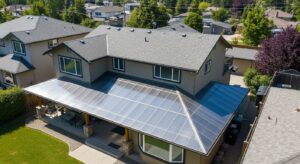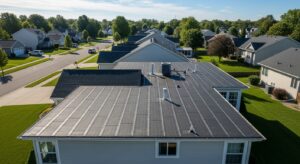
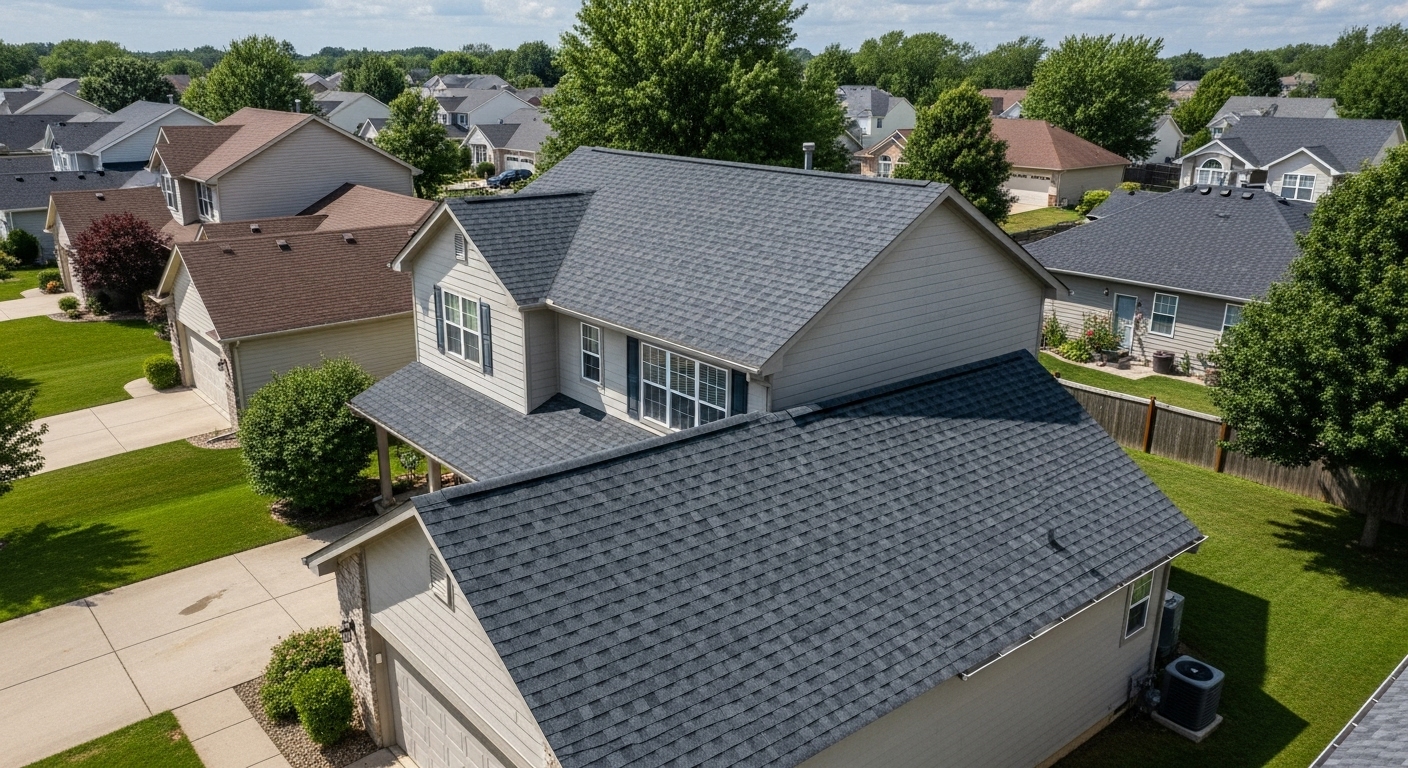
Short answer, yes, it can be painted. Longer answer, it is rarely as simple or as rewarding as people expect. Rolled asphalt roofing has its own personality. It does not behave like wood siding or metal panels. Paint sticks sometimes. Other times it peels, fades, or flakes off in a way that feels personal.
People usually ask this question when the roof looks tired but still functional. No leaks yet. Just dull, patchy, and honestly a little embarrassing from the yard.
Understanding what rolled asphalt roofing actually is
Rolled asphalt roofing is essentially asphalt based material reinforced with fiberglass or organic felt, finished with a mineral surface. It is thinner than shingles and laid in long strips. It shows up on sheds, porches, garages, low slope additions, sometimes older homes where cost mattered more than looks.
Because it is asphalt based, it expands and contracts with heat more than most painted surfaces. That movement alone creates problems for paint adhesion. Add sun exposure and moisture, and things get complicated fast.
Why homeowners think about painting it in the first place
Replacement costs money. Painting feels cheaper and faster. Sometimes it is about extending life for a few more years. Other times it is purely visual. Dark streaks, uneven fading, or mismatched patches from past repairs make the roof look older than it really is.
There is also the belief that paint adds protection. That part is only partially true, and only under specific conditions.
What types of paint actually work on rolled roofing
Not all paint belongs on asphalt. Standard exterior house paint usually fails. It cracks when the roofing moves, then peels when water gets underneath.
The paints that perform best are asphalt based or elastomeric coatings designed for roofs. These coatings remain flexible and move with temperature changes. Some acrylic roof coatings also work, but only if labeled compatible with asphalt substrates.
Oil based paints are generally a bad idea. They tend to harden over time and lose flexibility. Once that happens, cracking is almost guaranteed.
Surface prep matters more than the paint itself
This is where most failures begin. Rolled roofing collects dust, chalky residue, algae, and loose granules over time. Painting over that is like taping over dirt and hoping for strength.
The surface needs cleaning, usually with a low pressure wash and mild detergent. High pressure washing can strip granules and shorten roof life. Any loose sections, bubbles, or lifted seams should be repaired first. Paint will not hide structural problems. It only highlights them later.
The roof must be fully dry before painting. Moisture trapped under coating leads to blistering. That blistering almost always appears after the first hot week.
How long painted rolled roofing actually lasts
This is where expectations need adjusting. A properly applied roof coating may last three to five years before noticeable wear appears. Some last longer in mild climates. Others start fading or thinning sooner under intense sun.
Painting does not reset the roof’s lifespan. It may slow aging slightly. It may improve reflectivity if a light colored coating is used. But it does not turn rolled roofing into something it is not.
Industry data shows rolled roofing itself typically lasts 5 to 10 years depending on exposure and installation quality. Painting near the end of that window rarely changes the outcome much.
Does painting help with heat and energy use
Reflective roof coatings can reduce surface temperatures, sometimes significantly. Light colored elastomeric coatings may lower roof surface heat by dozens of degrees during peak sun. That can help with comfort in garages or sheds below.
However, insulation value does not increase. The benefit is mostly surface level heat reflection, not indoor temperature miracles.
Situations where painting makes sense
Painting can make sense when the roof is structurally sound, seams are intact, and leaks are absent. It works better on lightly aged material rather than brittle, cracking surfaces. Temporary structures, sheds, workshops, or porch roofs are common candidates.
It is less sensible on roofs already curling, splitting, or losing granules heavily. In those cases, replacement usually costs less in the long run.
Common mistakes that shorten results fast
Painting without cleaning is the biggest one. Using the wrong paint is close behind. Another mistake is applying too thin a coat to stretch material. Thin coatings fail early. Weather timing also matters. Painting during extreme heat or before rain leads to uneven curing.
Some people paint only for looks, ignoring underlying issues. That usually ends with leaks that were not there before.
Final thoughts
Yes, rolled asphalt roofing can be painted. It is not imaginary. It is also not magic. When done correctly, it can improve appearance and buy a little time. When done poorly, it becomes a peeling reminder that shortcuts tend to announce themselves later.
Painting should be seen as maintenance, not rescue. If the roof is already on borrowed time, no coating will negotiate a new deal for long.