Fire rating sounds like paperwork talk until a spark lands where it should not. Composite roof shingles sit right at that awkward intersection between safety codes and real life risk. Homeowners hear terms like Class A or Class C and nod politely, not fully sure what they mean. Builders talk about compliance. Inspectors talk about listings. Insurance adjusters talk about loss history. All of them look at fire rating, just from different angles.
Composite shingles are used everywhere now. They look like asphalt, act a bit like fiberglass, and behave very differently under flame than older roofing materials. That difference matters more than most people realize.
What composite roof shingles actually are
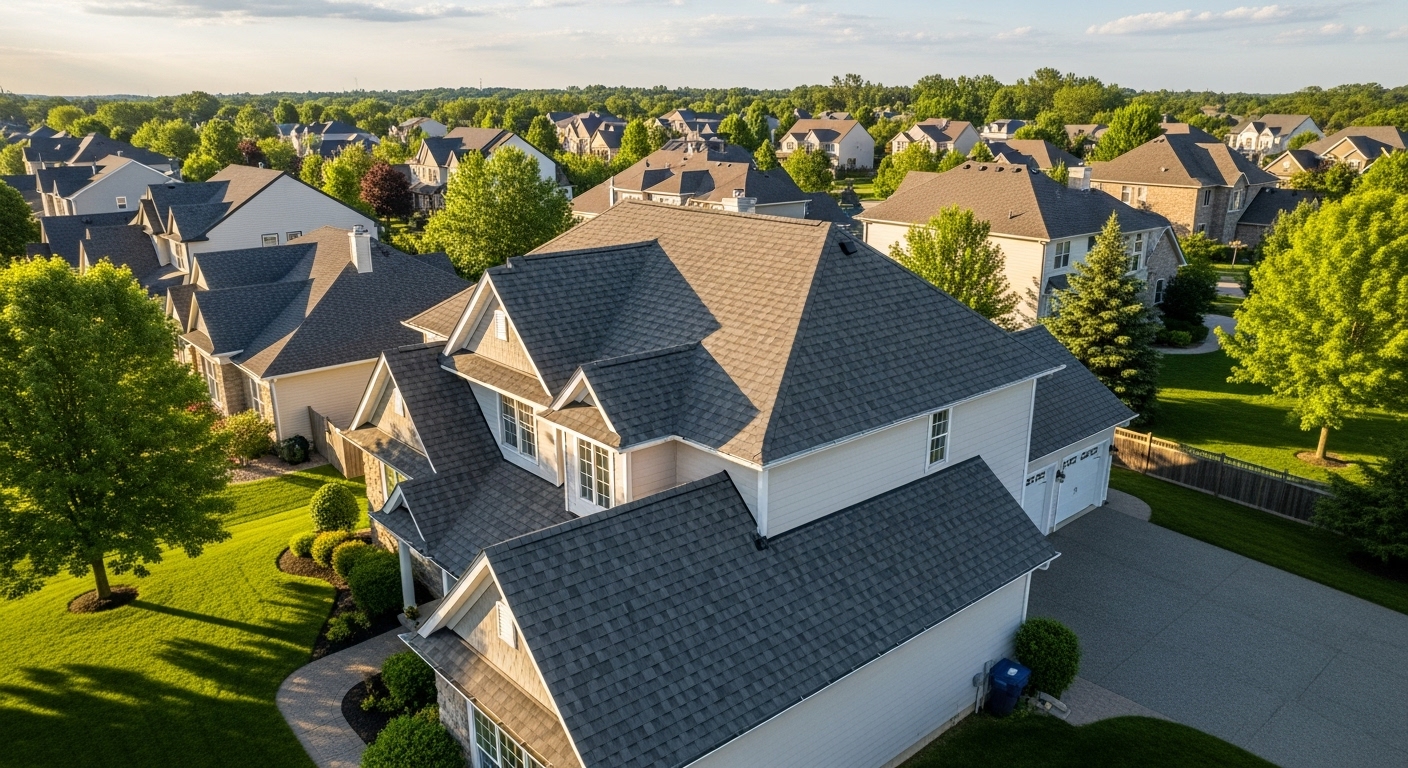
Composite roof shingles are typically made from a fiberglass mat combined with asphalt and mineral granules. The fiberglass core is the key shift from older organic mat shingles. Fiberglass does not burn the same way organic materials do, which directly affects fire performance.
This construction change is one reason composite shingles dominate new residential roofing installs in many regions. They are lighter, more stable, and more predictable under heat exposure. Predictable behavior is what fire testing is really about.
Fire ratings, the three classes that show up everywhere
Roof shingles in the United States are commonly rated under Class A, Class B, or Class C fire classifications. These ratings come from standardized fire exposure tests that measure flame spread, intermittent flame exposure, and resistance to burning embers.
Class A is the highest rating. It indicates strong resistance to flame spread and effective protection against severe fire exposure. Class B offers moderate resistance. Class C provides basic resistance, enough for lower risk areas but not ideal in fire prone zones.
Composition shingles, also known as asphalt shingles, are a common choice for homeowners. These shingles are made from a mixture of materials, including asphalt, fiberglass, and sometimes mineral granules. One of the benefits of these shingles is that they can be fire-resistant.
https://www.warnerroofinginc.com/blog/are-composition-shingles-fire-resistant/
Most modern composite roof shingles sold for residential use are rated Class A when installed correctly. That point about correct installation matters more than brochures admit.
How Class A composite shingles earn that label
Class A composite shingles are tested under conditions that simulate external fire threats like wind driven embers or nearby structure fires. During testing, flames are applied to the roof surface and measured for spread, penetration, and intensity.
The fiberglass mat plays a major role here. It does not fuel the fire. The asphalt component can soften under heat, but the mineral granules on the surface help slow ignition and shield the layers below. This combination is why composite shingles often self limit flame spread.
According to fire testing data released by building code organizations, Class A roofs significantly reduce flame spread compared to unrated or Class C assemblies. That reduction is not theoretical. It shows up clearly in post fire damage assessments.
Installation details that quietly affect fire rating
A composite shingle may carry a Class A rating on paper, but that rating assumes a specific roof assembly. Underlayment type, deck material, ventilation layout, and fastening methods all influence real world fire behavior.
For example, installing Class A shingles over combustible decking without proper underlayment can reduce overall fire resistance. Similarly, improper attic ventilation can trap heat and increase ignition risk from within. These details rarely appear in sales conversations but show up in inspection reports.
Fire rating applies to the system, not just the shingle itself. That distinction is often missed.
Regional codes and why fire ratings get enforced differently
Building codes in wildfire prone regions are far stricter about roof fire ratings. Many jurisdictions now require Class A roofing materials for new construction or roof replacement in designated fire hazard zones.
Data from fire safety agencies shows that homes with Class A roofs have measurably higher survival rates during ember driven wildfires. Roofs are often the first failure point when embers land and smolder unnoticed. Composite shingles with Class A ratings resist that ignition pathway better than lower rated options.
In lower risk regions, Class C may still be permitted, but insurance underwriting trends are quietly shifting toward higher standards.
Fire rating versus fireproof, an important correction
Composite roof shingles are fire resistant, not fireproof. No residential roofing material makes a house immune to fire. A Class A rating means the roof resists ignition longer and limits flame spread, buying time and reducing intensity.
That time can mean the difference between a small roof repair and total structural loss. It is not a guarantee, but it is a meaningful layer of defense.
This distinction matters when homeowners assume ratings promise absolute safety. They do not.
Insurance implications tied to fire rated roofing
Many insurance providers factor roof fire rating into risk assessments, especially in areas with a history of wildfires or dense housing patterns. Class A composite roofs can sometimes qualify for lower premiums or expanded coverage options.
Industry loss data consistently shows reduced claim severity for homes with higher rated roofing systems. Fewer ignition events turn into full losses. That pattern drives insurer behavior even when it is not advertised clearly.
Fire rating does not always lower premiums automatically, but it often prevents increases.
Composite shingles compared to other roofing materials
Compared to wood shakes, composite shingles perform far better under fire exposure. Untreated wood typically falls into Class C or unrated categories. Metal roofing also performs well but behaves differently under extreme heat, sometimes transferring heat into attic spaces.
Tile roofs often achieve Class A ratings but rely heavily on underlayment quality. Composite shingles achieve similar ratings with fewer assembly variables, which partly explains their popularity.
Each material has tradeoffs, but composite shingles strike a balance between cost, performance, and predictable fire behavior.
Final thoughts, from a cautious editorial angle
Composite roof shingle fire ratings are not just code language. They reflect real testing, real failures, and real improvements made over decades of fire loss data. Class A ratings are common now, but they should not be taken lightly or assumed automatically.
The roof is one of the first lines of defense against external fire threats. Composite shingles, when properly installed as part of a rated system, offer a level of protection that older roofing materials simply could not match.
Ignoring fire rating rarely saves meaningful money. Understanding it, and respecting what it does and does not promise, usually pays off when conditions turn hostile.