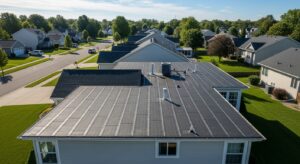
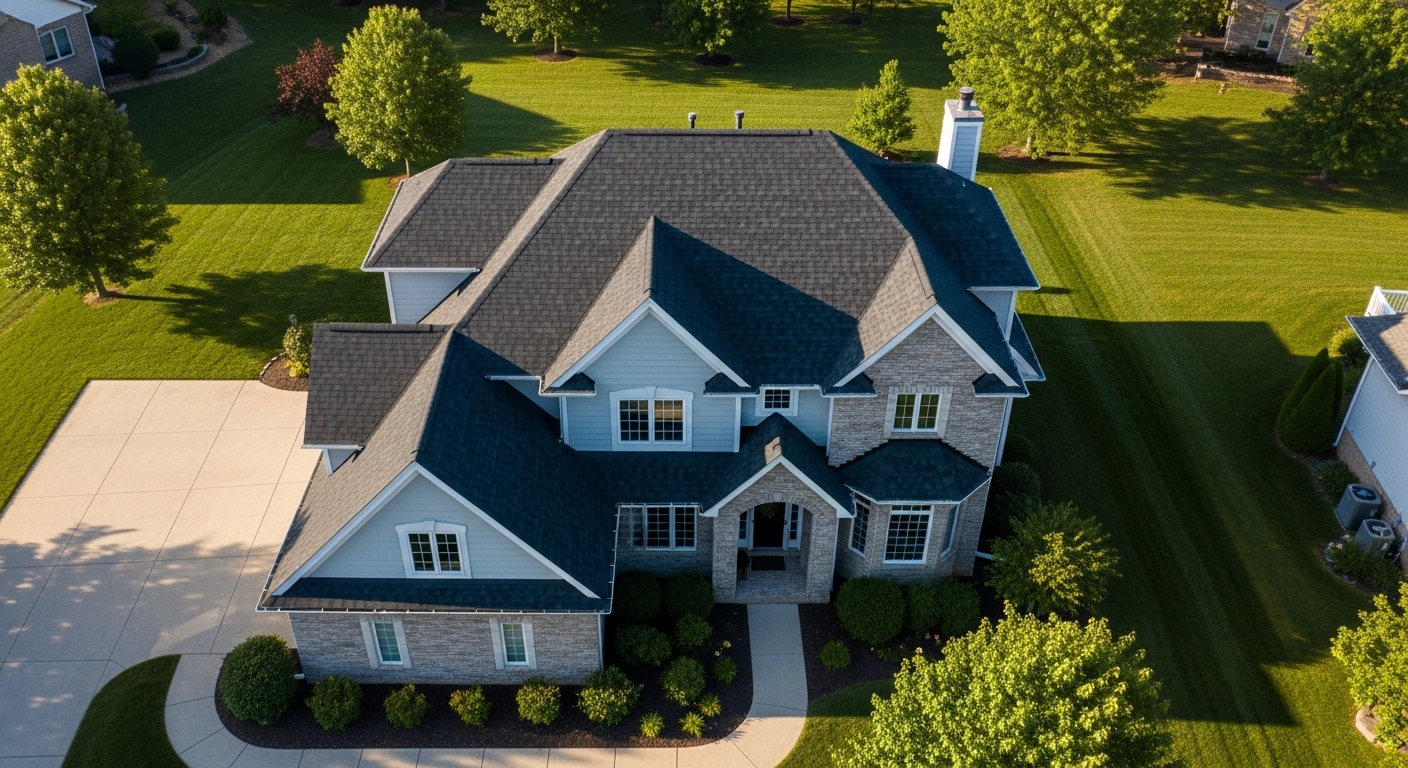
Black shingles show up everywhere. New builds, older homes getting a facelift, even high end neighborhoods where everything is supposed to look intentional. People choose them because they look sharp, clean, serious. No fuss. But the question keeps coming back, usually after install day. Is there a downside to black shingles, or is it all just internet noise.
Short answer, yes, there are downsides. Not deal breakers for everyone, but real ones. The longer answer takes a bit of unpacking, and a few uncomfortable truths people don’t always hear before signing off on color choice.
Heat absorption is not a rumor, it is physics
Black shingles absorb more heat. That part is not debatable. Dark surfaces take in more solar radiation than lighter ones, and roofs sit directly under the sun all day with zero shade. Studies measuring roof surface temperatures consistently show dark asphalt shingles running significantly hotter than light colored options under the same conditions.
On a hot summer afternoon, a black shingle roof can exceed 150 to 170 degrees Fahrenheit at the surface. Lighter shingles often run 20 to 40 degrees cooler. That heat does not stay politely on the roof. Some of it transfers into the attic, especially in homes with average ventilation or older insulation.
This does not mean your house turns into an oven overnight. But it does mean your cooling system works a little harder, a little longer, every hot day.
Cooling costs can creep up quietly
Energy impact is where homeowners start noticing things months later. In warmer climates, black shingles can contribute to higher attic temperatures, which in turn raises indoor cooling demand. Data from building energy research groups has shown that roof color alone can influence cooling energy use by several percentage points.
That does not sound dramatic until you stretch it across years. A small increase in monthly electricity use, repeated every summer, adds up. In colder regions, this effect matters less. In hot and sunny regions, it matters more than people want to admit.
Shingle lifespan may take a hit in harsh climates
Heat ages asphalt. Repeated thermal cycling breaks down the oils and binders inside the shingle over time. Because black shingles run hotter, they can experience faster material fatigue in extreme climates. Curling, granule loss, and surface cracking may show up earlier, especially on poorly ventilated roofs.
This does not mean black shingles always fail early. Quality shingles installed correctly still last decades. But when comparing identical products in the same environment, darker colors do tend to age slightly faster. The difference is not always visible at first, which is why it catches people off guard later.
Snow melt sounds good, until it isn’t
One often mentioned upside of black shingles is faster snow melt. Dark roofs absorb heat and help clear snow quicker in cold regions. That can reduce snow load and ice buildup in some situations. But there is a flip side that rarely gets mentioned clearly.
Uneven melting can lead to ice dams. Snow melts higher on the roof, refreezes near the eaves, and traps water behind it. That trapped water can work its way under shingles and cause leaks. Good insulation and ventilation reduce this risk, but roof color can still play a role.
So yes, black shingles can help snow melt. They can also contribute to ice problems if the roof system is not balanced properly.
Aesthetic aging shows faster than people expect
Black shingles look bold when new. Crisp edges, deep color, strong contrast. Over time, fading becomes more noticeable. Dust, pollen, and mineral residue show up clearly on dark surfaces. Algae streaks, when they appear, are far more visible than on lighter roofs.
Even with algae resistant shingles, discoloration can still happen depending on humidity and tree coverage. The roof may still function perfectly, yet look tired sooner. That visual aging bothers some homeowners more than others, but it is a real factor.
Neighborhood rules and heat regulations exist
In some regions, especially urban areas with heat island concerns, there are building guidelines or incentives favoring reflective roofing. While asphalt shingles usually meet basic codes regardless of color, some local programs discourage very dark roofs for environmental reasons.
Homeowners associations can also restrict color choices. Black shingles are popular, but not universally approved. Finding this out after ordering materials is a painful lesson.
Installation quality matters more with black shingles
Dark roofs magnify mistakes. Uneven lines, sloppy flashing, exposed nail heads, all of it shows more clearly. Heat related expansion also stresses poor installation faster. If ventilation is inadequate, problems surface sooner on a black roof than on a lighter one.
This means contractor quality matters even more. A bad install with black shingles tends to announce itself earlier.
Are black shingles a bad idea?
No. They are not a mistake by default. In cooler climates, with good attic ventilation and insulation, black shingles perform just fine. Many homeowners value the look enough to accept the tradeoffs. Others never notice a difference in energy bills at all.
But ignoring the downsides entirely is where regret creeps in. Heat absorption, potential aging, visual wear, and climate interaction are not myths. They are part of the decision whether people talk about them or not.
Final thoughts
Black shingles are a strong choice visually. They are also a demanding one. They ask more from ventilation, insulation, and installation quality. In the right setup, they behave well. In the wrong setup, they quietly shorten margins you did not know you had.
The downside is not catastrophic. It is cumulative. And that makes it worth thinking about before committing, not after the first heat wave hits.