Roofing language sounds odd until you sit with it for a bit. Someone says your house is 17 squares and suddenly it feels like a math test you did not study for. In roofing terms, a square is not a shape at all. It is a unit of area. One roofing square equals 100 square feet of roof surface. So when a contractor says 17 squares, they are saying the total roof area measures about 1700 square feet. Simple math, but the implications stretch further than most homeowners expect.
Why roofers still use squares instead of square feet
Roofing has used squares for decades because it keeps estimates cleaner and materials easier to track. Shingles, underlayment, and labor pricing are all based around squares. It is faster to say 17 squares than 1700 square feet, especially when crews are ordering materials and planning jobs back to back. It is old school, but it works, even if it confuses people the first time they hear it.
Does 17 squares equal a 1700 sq ft house
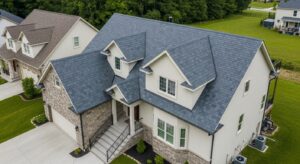
Not always. This is where things quietly get messy. A house with 1700 sq ft of living space does not automatically have a 17 square roof. Roof area depends on slope, overhangs, and design. A single story home with a low pitch might have a roof close to its interior square footage. A steeper roof or a house with multiple levels can add hundreds of extra square feet to the roof surface without adding a single inch of living space.
It is common for a 1500 sq ft home to end up with a 17 square roof. It is also possible for a 1700 sq ft home to need closer to 19 squares if the pitch is steep enough.
How roof pitch changes the square count
Pitch changes everything. A flat or low slope roof covers less surface area. As pitch increases, the actual roof surface grows even though the footprint stays the same. Roofers account for this using pitch multipliers. For example, a roof with a 6 12 pitch adds roughly 12 percent more surface area compared to a flat roof. Steeper pitches can add 25 percent or more.
So a footprint that measures 1500 square feet can easily turn into 1700 square feet of roofing once pitch is factored in. That is how 17 squares sneaks up on people.
What 17 squares means for material quantities
Seventeen squares means enough shingles to cover 1700 square feet, plus waste. Waste is unavoidable. Cuts around valleys, hips, vents, and edges add up. Most contractors add 10 to 15 percent extra material. On a 17 square roof, that means ordering shingles for roughly 19 to 20 squares to be safe.
This extra is not a scam. It is how jobs finish without delays. Running short on shingles mid install costs more than ordering a little extra upfront.
Labor implications of a 17 square roof
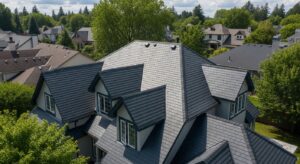
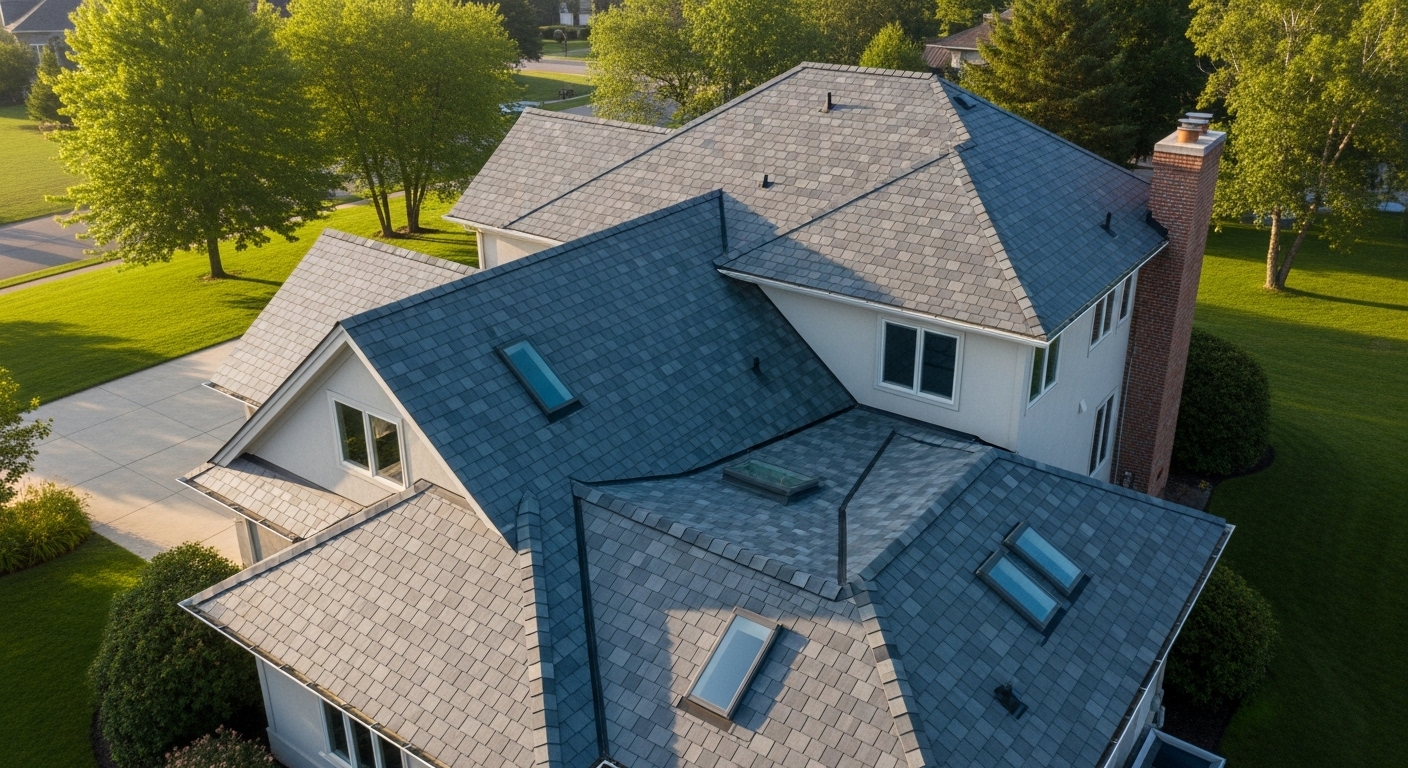
From a labor standpoint, 17 squares is considered a small to mid sized roof. Many experienced crews can complete it in one long day if conditions cooperate. Pitch, height, and complexity still matter. A 17 square roof with multiple valleys and dormers can take longer than a simple 22 square rectangle.
Labor pricing is usually quoted per square. So if labor runs $200 per square, a 17 square roof means about $3400 in labor before any complications show up.
How contractors measure and verify square count
Roofers do not guess squares from the driveway, at least the good ones do not. Measurements are taken on the roof or calculated using building dimensions and pitch. Some use satellite measurement tools to get accurate numbers before ever climbing a ladder. These tools are generally reliable, but experienced roofers still double check critical areas.
If two contractors give slightly different square counts, that is normal. Differences of half a square or so are common due to rounding and waste assumptions.
Cost expectations tied to 17 squares
Because pricing is square based, knowing you have 17 squares helps you ballpark costs quickly. If installed asphalt roofing in your area averages $400 per square, then 17 squares puts you around $6800 before tear off, disposal, and repairs. Add those in, and totals usually rise into the $8000 to $10000 range depending on region and roof details.
The square count itself does not drive quality. It just defines size. The materials and workmanship still do the heavy lifting.
Why homeowners should understand this term
Understanding what 17 squares means helps you read estimates without feeling lost. It lets you compare bids properly and ask smarter questions. When someone explains a price jump by saying the roof measured larger than expected, you now know exactly what that means and how it affects cost.
Roofing language feels foreign at first, but once the square clicks, the rest of the conversation becomes much easier to follow.
Closing thought
Seventeen squares is not a mystery number. It is simply 1700 square feet of roof surface measured the way roofers have always measured it. Once you understand that, estimates stop sounding like riddles and start looking like math. Slightly annoying math, sure, but still just math.